 Uncategorized
Breaking Barriers: The essential Role of Wheelchair-Accessible Taxis
As societies strive for greater inclusivity, wheelchair-accessible taxis have emerged as a crucial component in the evolution of transportation services. 輪椅的士電話 Designed specifically for individuals with mobility challenges, these taxis represent a significant step toward ensuring that everyone has equitable access to reliable and comfortable travel. This article explores the transformative impact of wheelchair-friendly taxis, focusing on their unique features, benefits, and the ongoing advancements in the realm of accessible transportation.
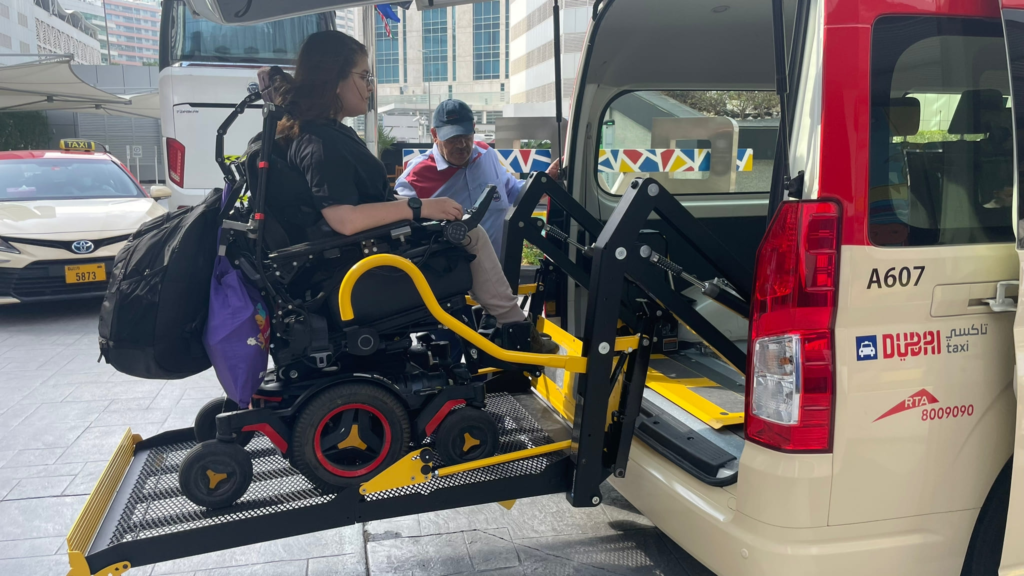
Wheelchair-accessible taxis are meticulously engineered to meet the needs of passengers who use wheelchairs. These vehicles come equipped with specialized features such as ramps or lifts, securement systems, and spacious interiors that allow passengers to travel in their wheelchairs. The integration of these features addresses critical accessibility needs, eliminating the need for passengers to transfer to standard seats. This design not only enhances comfort but also promotes greater independence for individuals with mobility impairments, offering them a seamless and dignified travel experience.
Safety is a paramount consideration in the design and operation of wheelchair-accessible taxis. The securement systems in these vehicles are engineered to ensure that wheelchairs are firmly anchored during transit, minimizing the risk of injury caused by movement. Additionally, the ramps or lifts are designed for smooth and safe operation, making it easier for passengers to board and disembark. These safety features are essential for providing a secure travel environment, which is particularly important in inclement weather or crowded areas.
The advancement of technology has played a pivotal role in enhancing the functionality and accessibility of these taxis. Modern wheelchair-accessible vehicles often feature automated ramps and advanced user interfaces, which simplify the boarding process and make the vehicles easier to operate. The integration of ride-hailing apps has also revolutionized the accessibility landscape by allowing users to request wheelchair-friendly taxis with ease. These technological innovations not only improve convenience but also contribute to a more inclusive transportation system by expanding access to reliable services.
Despite the progress in wheelchair-accessible transportation, several challenges remain. Variations in regulations and standards across different regions can impact the availability and quality of these taxis. Additionally, ensuring consistent maintenance and service quality is essential for delivering a positive passenger experience. Addressing these challenges requires a concerted effort from transportation providers, regulatory bodies, and advocacy groups to uphold high standards and ensure that accessibility improvements continue to evolve.
In conclusion, wheelchair-accessible taxis are a vital aspect of creating a more inclusive and equitable transportation system. They offer significant benefits in terms of safety, comfort, and independence for individuals with mobility challenges. With ongoing technological advancements and a commitment to addressing existing challenges, the future of accessible transportation looks promising. By fostering an environment where accessibility is prioritized, we move closer to a world where everyone can travel with greater ease and confidence, breaking down barriers and opening up new possibilities for all.
